
Posted by Abrasivestocks on 22nd Mar 2026
Precision Matters: How to Accurately Measure Sanding Belt Size
At ABRASIVESTOCKS Australia, we specialise in supplying custom-made sanding belts for a wide range of machines across metalworking, woodworking, and industrial applications.
One of the most common and costly issues we encounter is incorrect belt size measurement. Even a small deviation can result in belts that do not fit, causing unnecessary downtime, additional costs, and disruption to your workflow.
This guide provides a professional and reliable approach to measuring sanding belt size correctly.

1. Why Accurate Belt Length Is Critical
Unlike many other consumables, sanding belts operate within a fixed tensioning system. The adjustment range of most machines is extremely limited.
If the belt length deviates beyond ±2mm:
- The belt may be too loose, leading to instability and tracking issues
- Or too tight, making installation impossible and potentially damaging the machine
Accurate measurement is essential to ensure proper fit, performance, and equipment safety.
2. Professional Methods for Measuring Sanding Belt Size
A. Cut and Lay Flat Method (Recommended Standard)
This is the most accurate and widely accepted method in the industry.
Procedure:
- Take an existing sanding belt that fits correctly
- Cut the belt cleanly across
- Lay it flat on a smooth surface
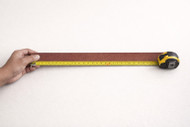
- Measure the full length using a flexible tape measure
Why this works:
A flexible tape follows the natural contour of the belt without introducing measurement distortion.
B. Fold and Measure Method
This method is suitable when you prefer not to cut the belt.
Procedure:
- Lay the belt flat to form a double layer
- Measure the straight length from one end to the other
- Multiply the measured value by 2
Important:
Ensure the belt is fully straight and not twisted during measurement, as this can introduce error.
C. Drum Diameter Method (For Sanding Sleeves)
When measuring sanding sleeves installed on a rubber drum, direct measurement may not be possible.
- L=π×d
Best Practice:
After calculation, use a string to wrap around the drum and verify the result. The acceptable tolerance should remain within ±2mm.
3. Measurement Accuracy Guidelines
To ensure reliable results:
- Always measure at least twice to confirm consistency
- Use a quality flexible tape measure (avoid rigid rulers for curved surfaces)
- Do not estimate or round measurements
- Keep tolerance within ±2mm maximum
Precision at this stage directly determines whether the belt will function correctly.
4. Common Measurement Mistakes to Avoid
- Measuring worn or stretched belts without verification
- Using rigid measuring tools that cannot follow curvature
- Ignoring small deviations (which become critical in operation)
- Estimating size based on machine model instead of actual measurement
Avoiding these errors will significantly reduce ordering issues.
5. Final Recommendation
Before placing an order, always verify your measurements carefully. A small inaccuracy can lead to:
- Production delays
- Additional costs
- Equipment downtime
If you are uncertain, it is always better to consult with a professional supplier before proceeding.
? Technical Support
At ABRASIVESTOCKS Australia, we customise sanding belts to any size based on your specific requirements. In addition to manufacturing, we deliver professional technical guidance to ensure optimal performance for your application.
If you need assistance, our team is ready to help you determine the correct belt size with confidence.


