
Posted by Dever Yang on 27th Mar 2026
Why Australians Restore Furniture Instead of Replacing It
In a world driven by fast consumption, Australians take a different approach.
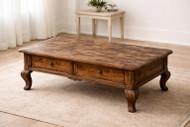
Instead of replacing old furniture, many choose to restore it. From timber dining tables to hardwood cabinets, furniture restoration has become a meaningful part of everyday life across Australia.
This is not just about saving money.
It reflects how people value time, memory, and craftsmanship.
Furniture Is More Than Just an Object
In many Australian homes, furniture is not disposable.
A table might stay in a family for decades.
A chair may be repaired multiple times instead of replaced.
These pieces carry something deeper:
- Childhood memories
- Family gatherings
- Everyday moments that matter
A solid timber table is not just furniture—it’s part of a family’s story.
This is why Australians often choose restoration over replacement.
Because replacing furniture is easy—but replacing meaning is not.
The Strength of Solid Timber Furniture
Australia has a strong preference for solid timber furniture, including:
- Oak
- Jarrah
- Spotted Gum
- Blackbutt
These materials are built to last and, more importantly, built to be restored.
Unlike low-cost alternatives, solid timber can:
- Be sanded multiple times
- Maintain structural strength
- Improve in character over time
A worn surface does not mean the end of its life.
It simply means it’s ready for the next stage.
A Culture of Restoration and DIY
Furniture restoration is also supported by Australia’s strong DIY culture.
Many people enjoy working with their hands—whether it’s a weekend project or part of a professional workshop.
Common restoration tools include:
- Sanding discs
- Sanding belts
- Polishing discs
From home garages to commercial workshops, restoration is seen as both practical and rewarding.
There is a sense of pride in bringing something back to life—rather than throwing it away.
A Real Story: Bayside Furniture Restoration
In Brisbane, Bayside Furniture Restoration reflects this culture perfectly.
I often visit their workshop—not just because I enjoy woodworking, but because of what they do.
Inside, you’ll find furniture that many people would consider beyond repair:
- Scratched surfaces
- Faded finishes
- Years of wear
But in their hands, these pieces are not discarded—they are restored.
Through careful sanding, surface preparation, and refinishing, each piece is rebuilt step by step.
What stands out most is this:
They are not just repairing furniture.
They are helping their clients reconnect with their past.
Every restored table or cabinet brings back memories—
and allows those memories to continue into the future.
Sustainability Matters
Sustainability is another key reason why furniture restoration is growing in Australia.
Replacing furniture creates unnecessary waste, especially when the core structure is still strong.
Restoration offers a better solution:
- Extends product life
- Reduces landfill
- Supports responsible consumption
This shift has increased demand for furniture restoration sanding solutions and reliable surface finishing processes.
Why Sanding Is the Core of Restoration
Most furniture doesn’t fail structurally—it fails at the surface level.
Common issues include:
- Scratches
- Coating wear
- Oxidation
- Uneven finishes
This is where abrasive products play a critical role.
Using the right sanding discs and sanding belts, restoration professionals can:
- Remove damaged layers
- Smooth timber surfaces
- Prepare for refinishing
- Achieve consistent results
Without proper surface preparation, even the best finishing work will not last.
Quality Makes the Difference
In furniture restoration, the final result depends heavily on the quality of materials used.
High-quality abrasives provide:
- Consistent sanding performance
- Controlled material removal
- Improved efficiency
- Better surface finish
Across Australia, professional workshops rely on reliable abrasive supply to ensure consistent outcomes.
Because restoration is not just about making something look better—it’s about making it last.
More Than Furniture — A Way of Living
Furniture restoration in Australia is not just a technical process.
It’s a reflection of values.
Australians choose to restore because they value:
- Longevity over disposability
- Meaning over convenience
- Craftsmanship over quick solutions
A table is not just something you use.
It’s something that stays with you.
And for those who choose to restore rather than replace,
having the right sanding and abrasive solutions behind the process makes all the difference.


